
Fridge Current Draw
Fridge Current Draw - It cycles on and off. The size and model of a refrigerator affect its current requirement. How can i reduce my refrigerator’s amperage draw? Web amps refer to the strength of the electrical current that passes through the power supply unit of an appliance. Amp draw refers to the maximum amount of current an electrical device consumes when operating normally. Most household refrigerators draw between 500 and 750 watts of power during routine operation. Amperage for most household refrigerators, is anywhere from 3 to 5 if the voltage is 120. After reading the labels you have picked out your next refrigerator. Measure your fridge starting current: Old commercial and domestic refrigerators draw more energy. It cycles on and off. After reading the labels you have picked out your next refrigerator. Web to calculate the amperage draw of a particular appliance, such as a refrigerator, you will need to look for a few values. Web once you know the refrigerator amps and volts, you can figure out the watts. In basic terms, your fridge compressor pulls a certain amount of electrical current to function, measured in amps. First, be sure to clean the coils on a regular. Your fridge is 3.3 amps if it runs at 400 watts. Web to estimate the number of hours that a refrigerator actually operates at its maximum wattage, divide the total time the refrigerator is plugged in by three. In a refrigerator, the compressor is what keeps the fridge cool, but it isn't running all the time. Web that means usually, the amperage draw of a refrigerator ranges between 3.3 amps to 10.8 amps, although we still have some models that fall on either side of this range. Web amps refer to the strength of the electrical current that passes through the power supply unit of an appliance. Generally, larger refrigerators with more features require more current to function. Web to estimate the number of hours that a refrigerator actually operates at its maximum wattage, divide the total time the refrigerator is plugged in by three. Today we’re. Web for example, if you divide 1250 watts by 110 volts, the amps will be 11.36. And amperage indicates how much current the fridge draws from the power source. In basic terms, your fridge compressor pulls a certain amount of electrical current to function, measured in amps. Web this higher amperage is called a startup, locked rotor amperage, and sometimes. So, the rule of thumb of precaution is to consider it as possibly being as much as 6 times the rated power. The wattage of any device is usually printed somewhere on the device itself. This amp is the current the hair dryer draws when using it. Find the wattage of the refrigerator. Luckily, replacing a circuit breaker is simple. So gently connect the ammeter to the fridge’s power cord and turn it on. Amperage tells you how much electricity your refrigerator or other appliance is consuming. Your fridge is 3.3 amps if it runs at 400 watts. In the case of 12v fridges, the voltage refers to the 12 volts of direct current (dc) power that the fridge operates. Web how much for the proper refrigerator circuit. Most household refrigerators draw between 500 and 750 watts of power during routine operation. Meanwhile, if you’re worried that your refrigerator is drawing too much current and that your circuit breaker trips off frequently, then you may want to consider. So gently connect the ammeter to the fridge’s power cord and turn. You can still estimate it by finding the electrical current draw (in amperes) and multiplying that by the voltage used by the appliance. The current draw varies by model, however, as does power consumption. Web refrigerator amps are the amount of electrical current it’s compressor uses to cool it’s compartment. So gently connect the ammeter to the fridge’s power cord. So the time is to measure your fridge starting current to know if it is high. How can i reduce my refrigerator’s amperage draw? Web for example, if a refrigerator has a power rating of 725 watts, the amperage draw would be approximately 6.04 amps (725 watts / 120 volts). The current draw varies by model, however, as does power. In basic terms, your fridge compressor pulls a certain amount of electrical current to function, measured in amps. However, ensuring that your circuit is dedicated to the refrigerator is most important. Web how much for the proper refrigerator circuit. Web this higher amperage is called a startup, locked rotor amperage, and sometimes a surge current. Find the wattage of the. Depending on the particular fridge, this current is around 2 to 3 times the rated current, but for some older fridges, it can be even 5 times. Old commercial and domestic refrigerators draw more energy. You can still estimate it by finding the electrical current draw (in amperes) and multiplying that by the voltage used by the appliance. Amperage for. Your fridge is 3.3 amps if it runs at 400 watts. In the case of 12v fridges, the voltage refers to the 12 volts of direct current (dc) power that the fridge operates on the voltage is fixed at 12 volts; You must have an ammeter or clamp meter to measure the current draw of the refrigerator. Web for instance,. Web this higher amperage is called a startup, locked rotor amperage, and sometimes a surge current. In a refrigerator, the compressor is what keeps the fridge cool, but it isn't running all the time. After all, the refrigerator uses about 13 percent of your. Most appliances in the united states use 120. In the case of 12v fridges, the voltage refers to the 12 volts of direct current (dc) power that the fridge operates on the voltage is fixed at 12 volts; Web to calculate the amperage draw of a particular appliance, such as a refrigerator, you will need to look for a few values. So gently connect the ammeter to the fridge’s power cord and turn it on. Web once you know the refrigerator amps and volts, you can figure out the watts. Old commercial and domestic refrigerators draw more energy. Web how much for the proper refrigerator circuit. Web to estimate the number of hours that a refrigerator actually operates at its maximum wattage, divide the total time the refrigerator is plugged in by three. Depending on the particular fridge, this current is around 2 to 3 times the rated current, but for some older fridges, it can be even 5 times. The current draw varies by model, however, as does power consumption. Web to have your refrigerator on a dedicated circuit is recommended for its best performance and to prevent overloading house wiring circuits. That's what the fridge will draw when the compressor is running. You can still estimate it by finding the electrical current draw (in amperes) and multiplying that by the voltage used by the appliance.
How to draw a fridge. drawing system of A fridge YouTube

How Do Refridgerators Work HOWDOZF
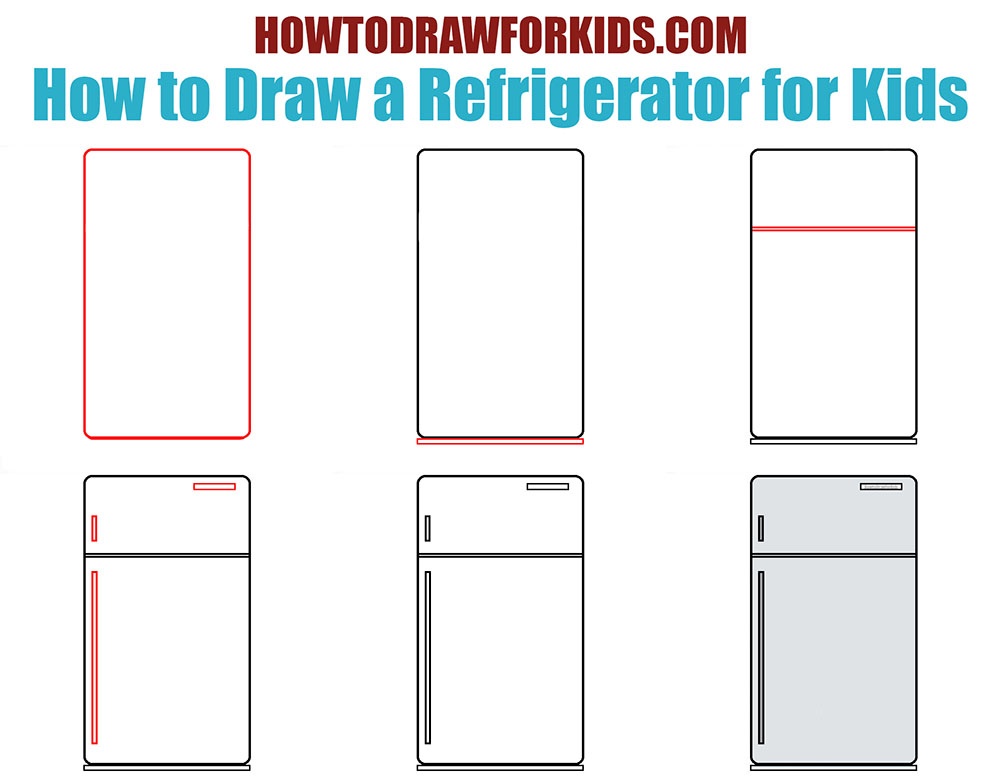
How to Draw a Refrigerator for Kids
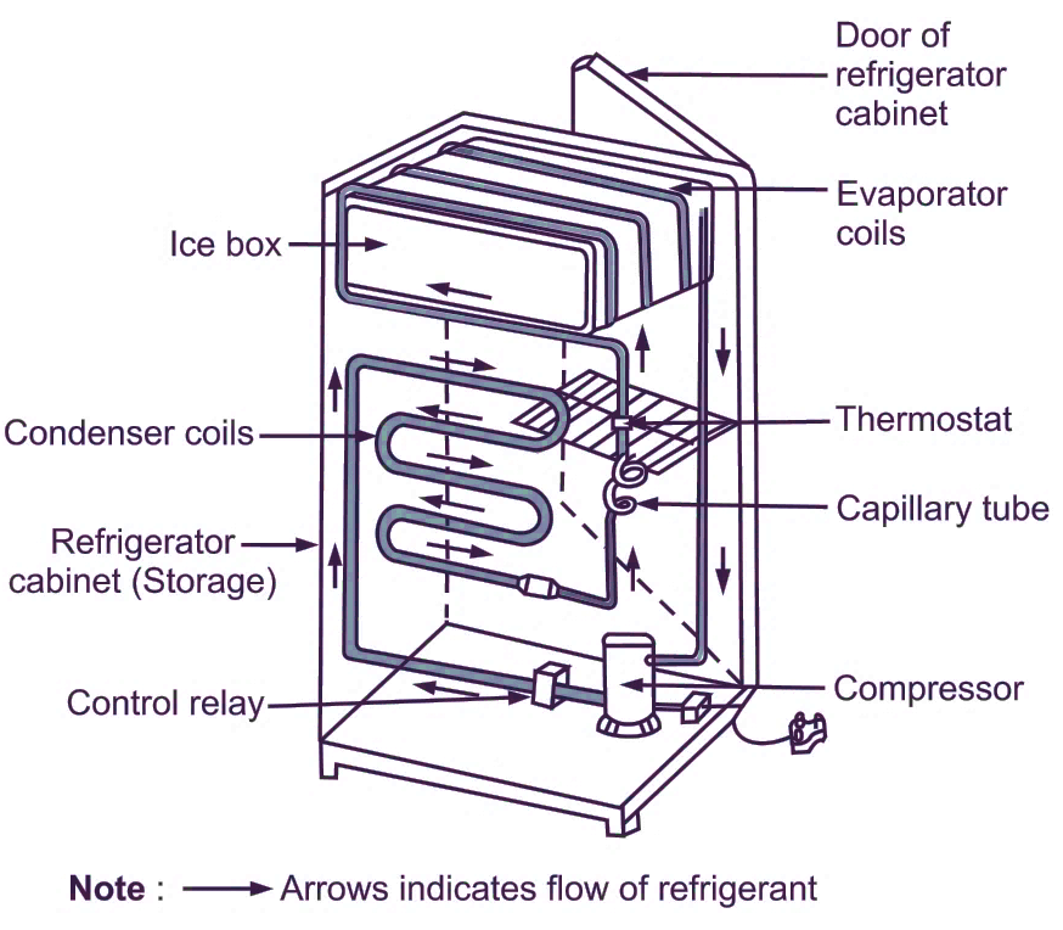
The refrigerator transfers heat from the cold cooling coils to warm
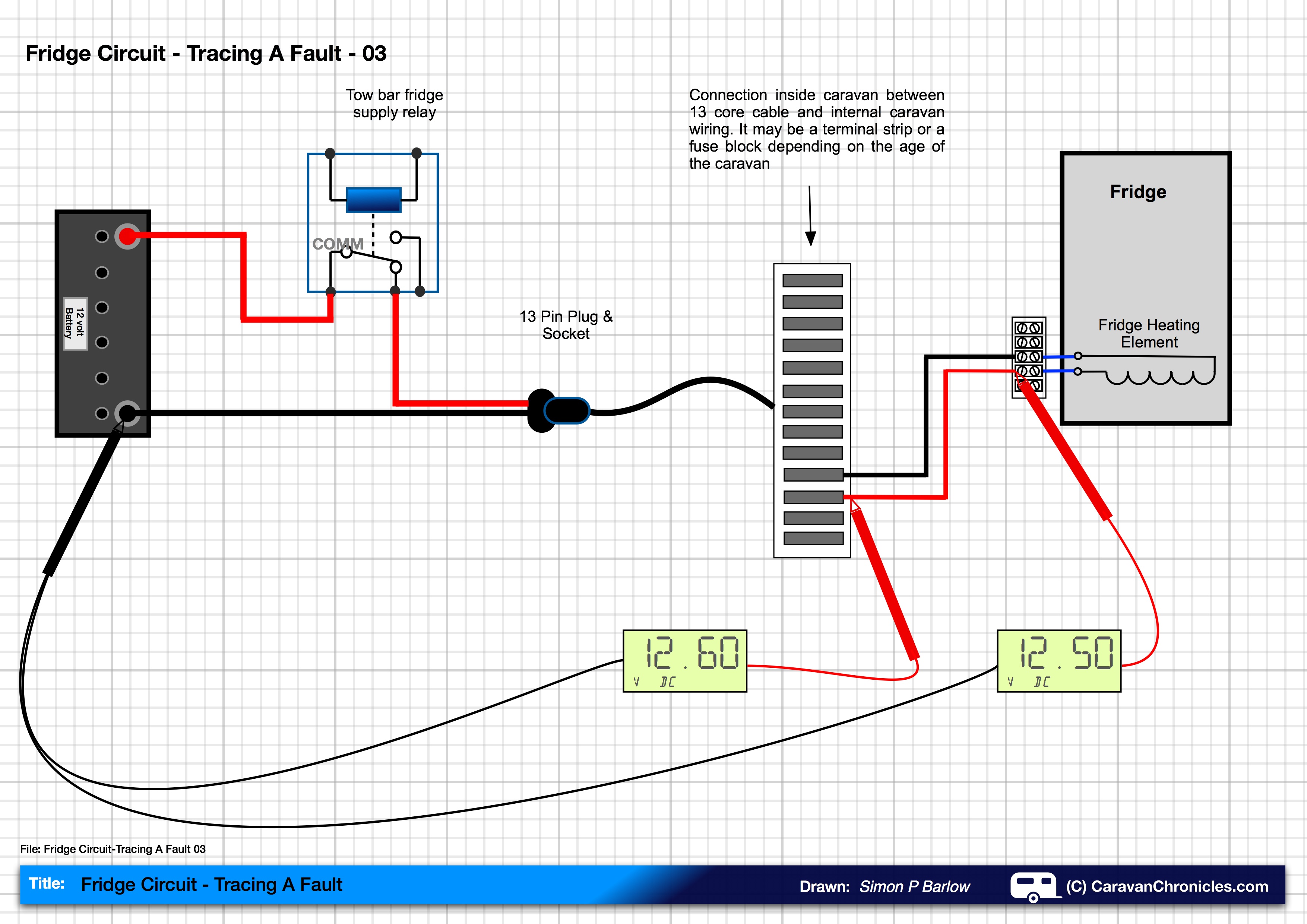
Fridge Diagram Circuits
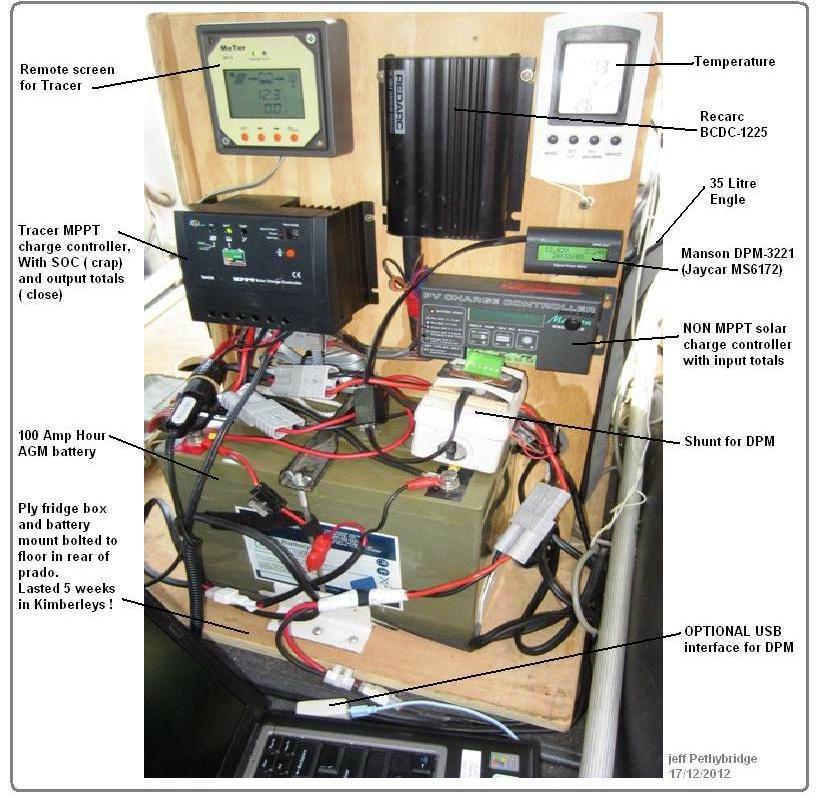
engel fridge power consumption
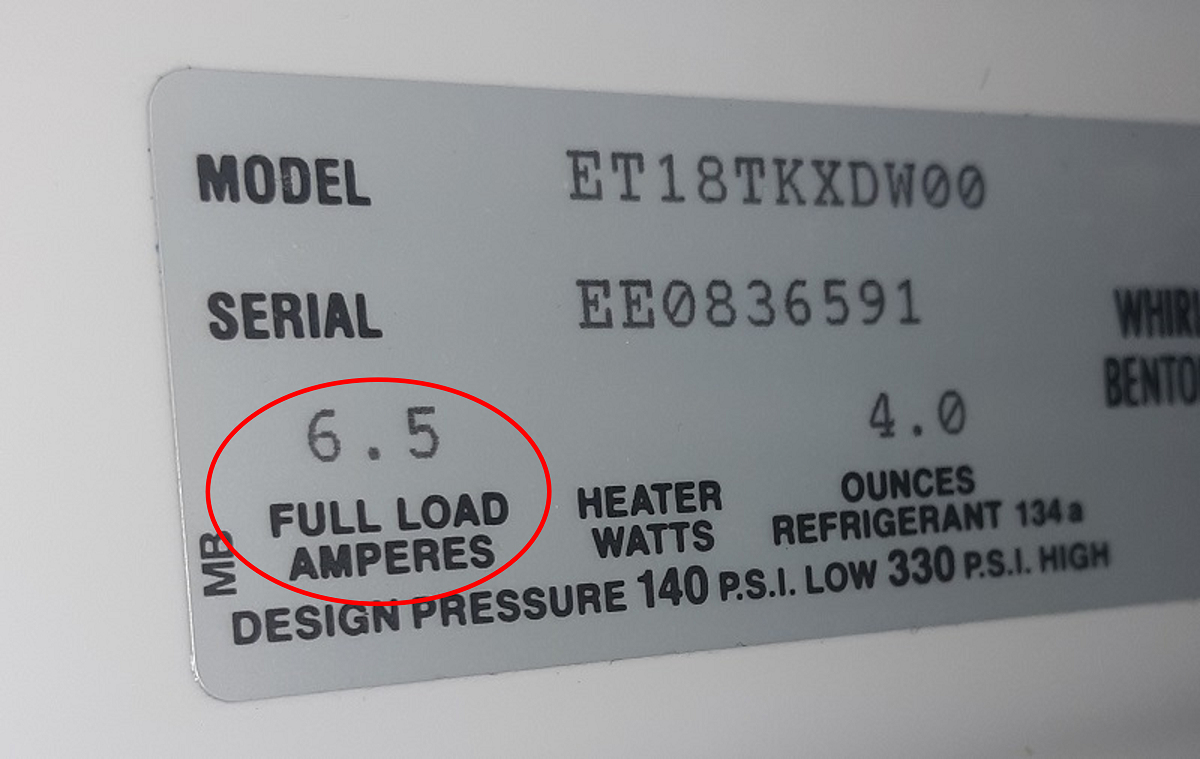
How Many Amps Does a Refrigerator Use? How to Find It's Energy Usage

How To Draw A Fridge DIY

How To Draw A Fridge DIY

How does a Fridge Work Fantastic Fridges (IoR)
Web The Refrigerator Voltage Is The Same As The Voltage Of Any Other Appliance That Plugs Into A Standard Outlet, Which Is 120 Volts.
The Chart Below Lists The Start Up And Running Amps And Watts:
Most Household Refrigerators Draw Between 500 And 750 Watts Of Power During Routine Operation.
Meanwhile, If You’re Worried That Your Refrigerator Is Drawing Too Much Current And That Your Circuit Breaker Trips Off Frequently, Then You May Want To Consider.
Related Post: