
Tourniquet For Blood Draw
Tourniquet For Blood Draw - Web once sufficient blood has been collected, release the tourniquet before withdrawing the needle. A doctor or nurse may also use a tourniquet during procedures, such as drawing blood or inserting an iv line. Web a properly applied tourniquet for blood draw is a valuable tool in a phlebotomist’s arsenal. Web the best method to start a tourniquet is to use the simple rubber tourniquet band provided in the iv gauge kit or blood drawing kit. These bands are very lightweight and flexible, and they allow you to make a simple but effective compression on a patient’s arm without actually tying a knot. Web the basic tools required for a successful and safe blood draw include a tourniquet, an appropriate needle, gloves, alcohol wipes, and the storage device for blood collection. Web a tourniquet is a device used to temporarily restrict blood flow to a limb to make veins more prominent and easier to access for blood draws or intravenous (iv) catheter placement. Web in an emergency, a tourniquet can help reduce or stop excessive bleeding. Pull the skin taut to anchor the vein. Allow the area to dry for approximately one minute following cleansing the area. By following the steps outlined in this guide and prioritizing patient comfort and safety, you can ensure successful venipuncture and contribute to a positive blood draw experience. Web the best method to start a tourniquet is to use the simple rubber tourniquet band provided in the iv gauge kit or blood drawing kit. A doctor or nurse may also use a tourniquet during procedures, such as drawing blood or inserting an iv line. When one is located, the tourniquet is removed. Web the basic tools required for a successful and safe blood draw include a tourniquet, an appropriate needle, gloves, alcohol wipes, and the storage device for blood collection. Web tourniquets are bands that are tied around an arm or leg when bleeding is uncontrollable due to a severe wound like a gunshot, stabbing, or heavy machinery accident. Web a tourniquet is a device used to temporarily restrict blood flow to a limb to make veins more prominent and easier to access for blood draws or intravenous (iv) catheter placement. Some guidelines suggest removing the tourniquet as soon as blood flow is established, and always before it has been in place for two minutes or more. These bands are very lightweight and flexible, and they allow you to make a simple but effective compression on a patient’s arm without actually tying a knot. Pull the skin taut to anchor the vein. Allow the area to dry for approximately one minute following cleansing the area. Pull the skin taut to anchor the vein. Web the best method to start a tourniquet is to use the simple rubber tourniquet band provided in the iv gauge kit or blood drawing kit. Web a tourniquet would first be applied to assess the arm for a. These bands are very lightweight and flexible, and they allow you to make a simple but effective compression on a patient’s arm without actually tying a knot. Web once sufficient blood has been collected, release the tourniquet before withdrawing the needle. Pull the skin taut to anchor the vein. Allow the area to dry for approximately one minute following cleansing. When one is located, the tourniquet is removed. Web a tourniquet would first be applied to assess the arm for a desired vein. Web the best method to start a tourniquet is to use the simple rubber tourniquet band provided in the iv gauge kit or blood drawing kit. By following the steps outlined in this guide and prioritizing patient. Web in an emergency, a tourniquet can help reduce or stop excessive bleeding. The tourniquet creates temporary pressure and an artificial occlusion in the blood flow, making it easier for the phlebotomist to identify the veins. Web tourniquets are bands that are tied around an arm or leg when bleeding is uncontrollable due to a severe wound like a gunshot,. The phlebotomist will then prepare the supplies, cleanse the draw si. Web once sufficient blood has been collected, release the tourniquet before withdrawing the needle. Web a tourniquet would first be applied to assess the arm for a desired vein. To provide information about blood drawing technique, equipment selection, tube additives, drawing order, blood transport, and nursing considerations. Web the. Web tourniquets are bands that are tied around an arm or leg when bleeding is uncontrollable due to a severe wound like a gunshot, stabbing, or heavy machinery accident. Web in an emergency, a tourniquet can help reduce or stop excessive bleeding. By following the steps outlined in this guide and prioritizing patient comfort and safety, you can ensure successful. Allow the area to dry for approximately one minute following cleansing the area. Web the basic tools required for a successful and safe blood draw include a tourniquet, an appropriate needle, gloves, alcohol wipes, and the storage device for blood collection. It is typically a band or strap that is wrapped around the arm or leg above the site where. Allow the area to dry for approximately one minute following cleansing the area. When one is located, the tourniquet is removed. Ideally, tourniquets should be applied by first responders who are trained in emergency first aid. Some guidelines suggest removing the tourniquet as soon as blood flow is established, and always before it has been in place for two minutes. Pull the skin taut to anchor the vein. The phlebotomist will then prepare the supplies, cleanse the draw si. Web tourniquets are bands that are tied around an arm or leg when bleeding is uncontrollable due to a severe wound like a gunshot, stabbing, or heavy machinery accident. It is typically a band or strap that is wrapped around the. A doctor or nurse may also use a tourniquet during procedures, such as drawing blood or inserting an iv line. The tourniquet creates temporary pressure and an artificial occlusion in the blood flow, making it easier for the phlebotomist to identify the veins. To provide information about blood drawing technique, equipment selection, tube additives, drawing order, blood transport, and nursing. Pull the skin taut to anchor the vein. Web a tourniquet would first be applied to assess the arm for a desired vein. The tourniquet creates temporary pressure and an artificial occlusion in the blood flow, making it easier for the phlebotomist to identify the veins. Web a tourniquet is a device used to temporarily restrict blood flow to a limb to make veins more prominent and easier to access for blood draws or intravenous (iv) catheter placement. Web the best method to start a tourniquet is to use the simple rubber tourniquet band provided in the iv gauge kit or blood drawing kit. Web the basic tools required for a successful and safe blood draw include a tourniquet, an appropriate needle, gloves, alcohol wipes, and the storage device for blood collection. To provide information about blood drawing technique, equipment selection, tube additives, drawing order, blood transport, and nursing considerations. By following the steps outlined in this guide and prioritizing patient comfort and safety, you can ensure successful venipuncture and contribute to a positive blood draw experience. Some guidelines suggest removing the tourniquet as soon as blood flow is established, and always before it has been in place for two minutes or more. Allow the area to dry for approximately one minute following cleansing the area. The phlebotomist will then prepare the supplies, cleanse the draw si. When one is located, the tourniquet is removed. Web once sufficient blood has been collected, release the tourniquet before withdrawing the needle. It is typically a band or strap that is wrapped around the arm or leg above the site where the needle will be inserted. Ideally, tourniquets should be applied by first responders who are trained in emergency first aid. These bands are very lightweight and flexible, and they allow you to make a simple but effective compression on a patient’s arm without actually tying a knot.
How To Tie an IV / Blooddraw Tourniquet Correctly YouTube
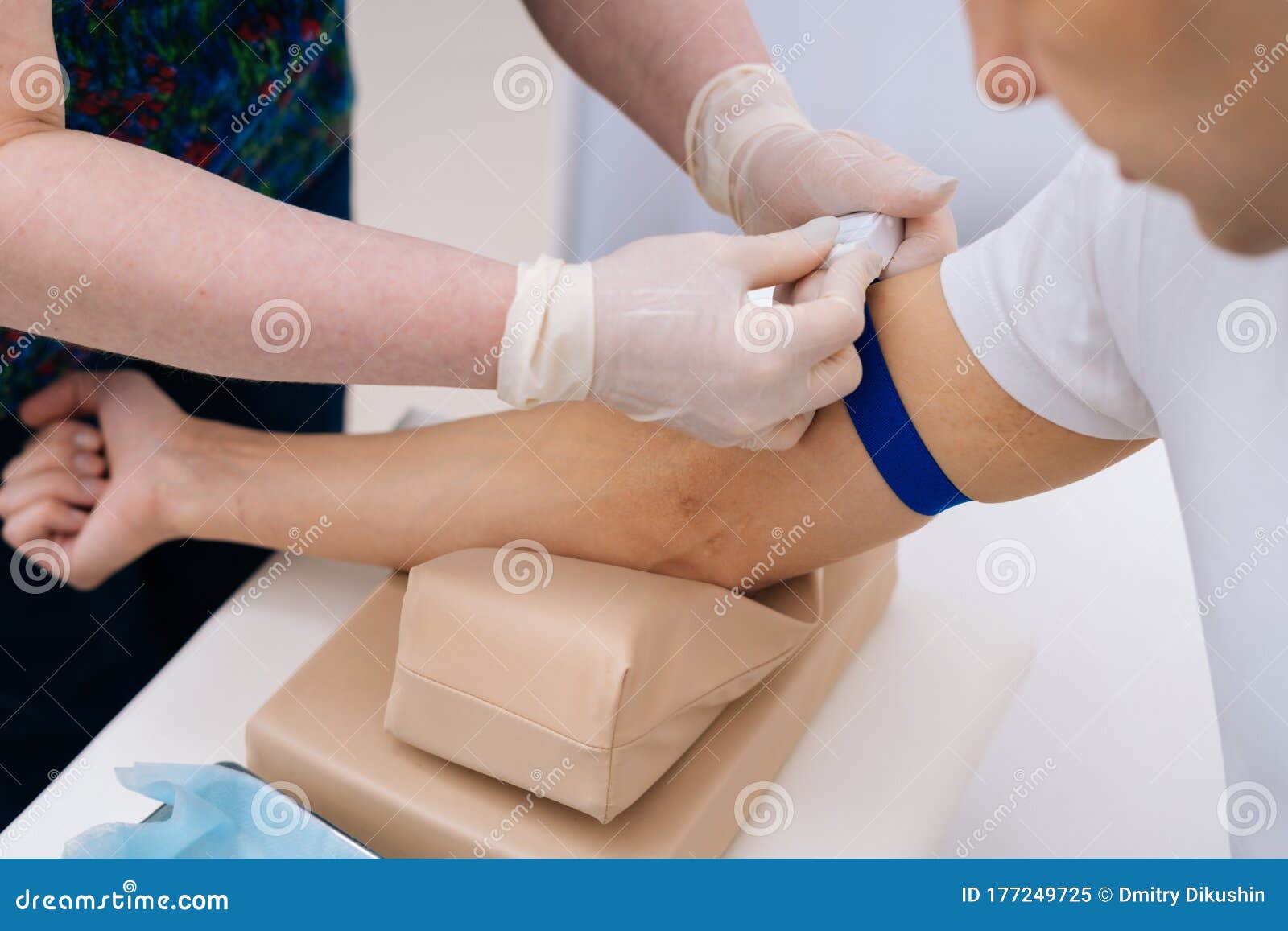
A Phlebotomist Technician Drawing Blood From Arm Of A Patient With

Tourniquet placement tips for IVs and blood draws YouTube

How to Apply/Tie a Tourniquet for Drawing Blood & Starting IVs

Patient with a Tourniquet Band on the Arm, Preparation for Blood

How To Apply a Tourniquet For Blood Draw 🩸 Phlebotomy Venipuncture

Medical Elastic Tourniquet for Clinical Infusion Draw Blood Medical

Riester riclip blood draw tourniquet
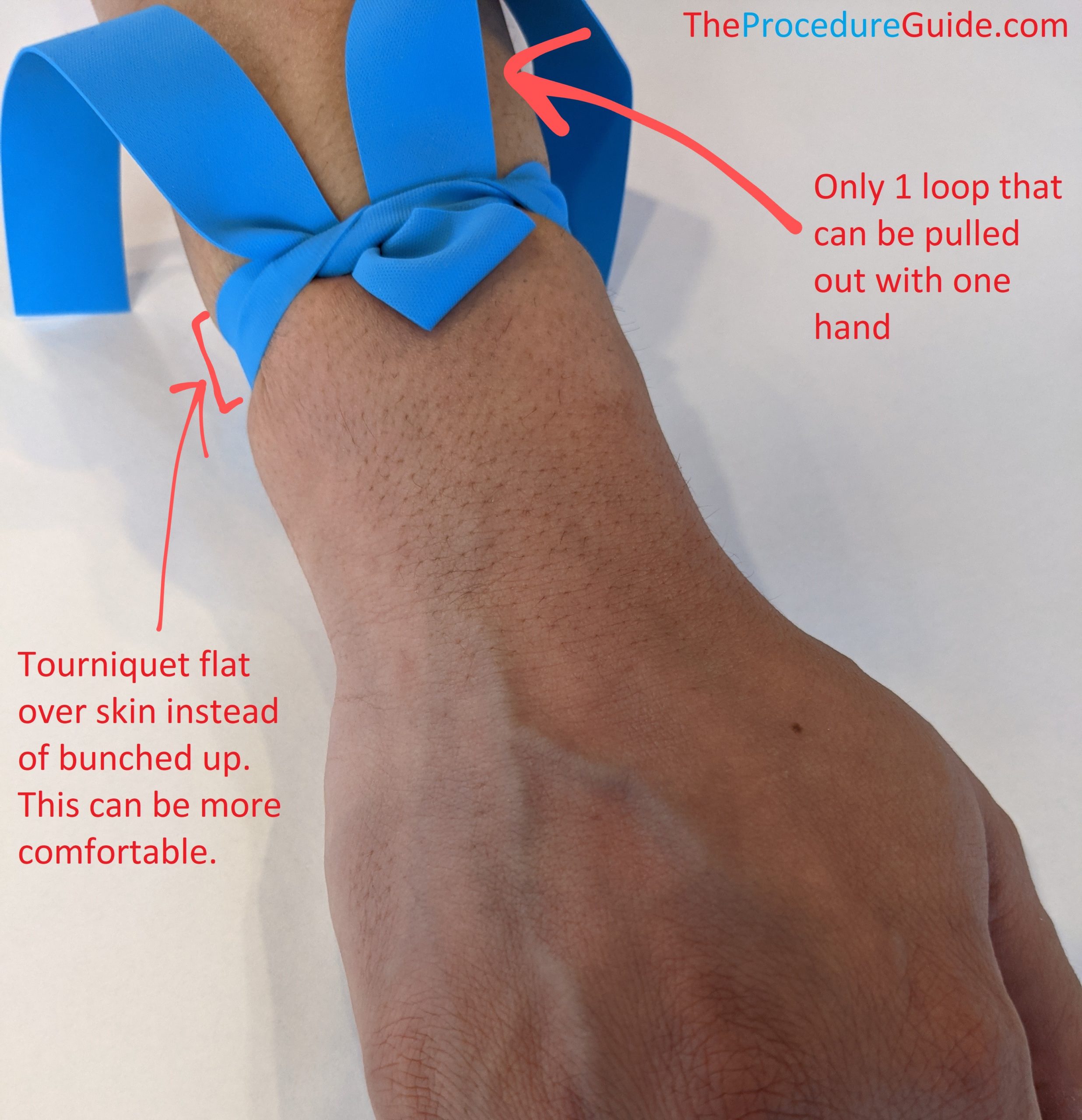
Blood Draw/Venipuncture Technique and Overview The Procedure Guide
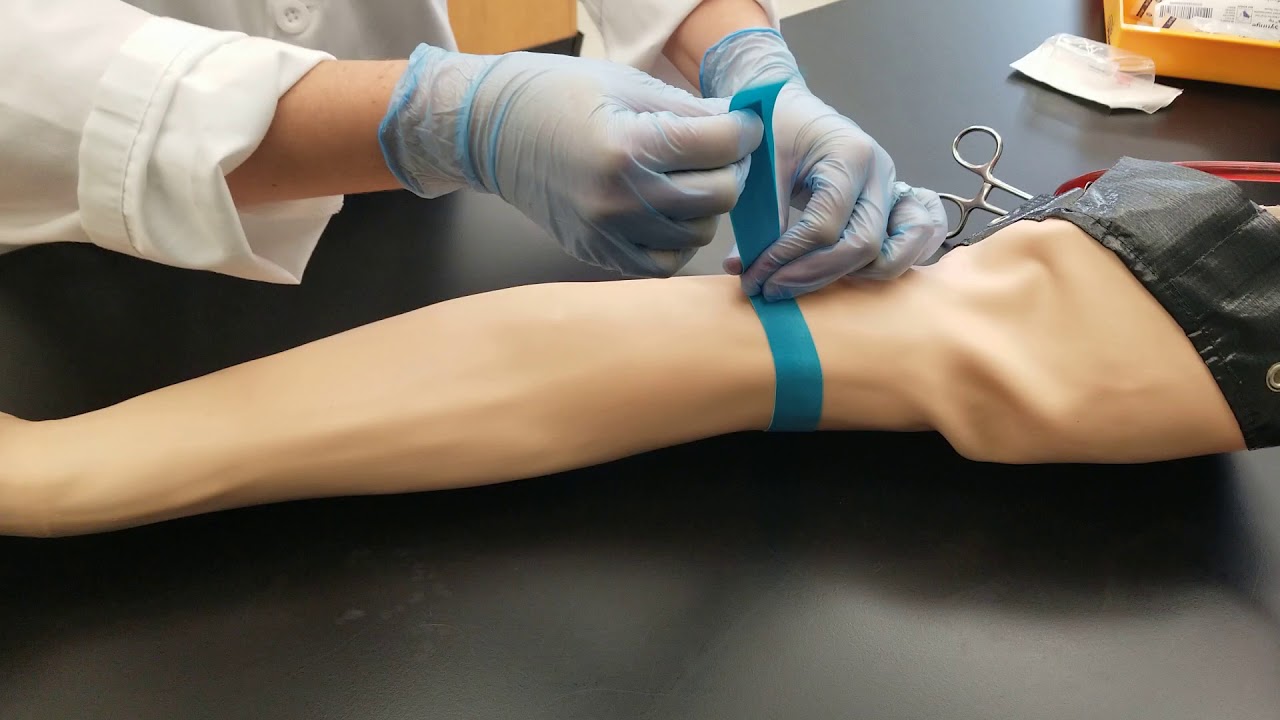
Phlebotomy Tourniquet Application YouTube
A Doctor Or Nurse May Also Use A Tourniquet During Procedures, Such As Drawing Blood Or Inserting An Iv Line.
Web In An Emergency, A Tourniquet Can Help Reduce Or Stop Excessive Bleeding.
Web A Properly Applied Tourniquet For Blood Draw Is A Valuable Tool In A Phlebotomist’s Arsenal.
Web Tourniquets Are Bands That Are Tied Around An Arm Or Leg When Bleeding Is Uncontrollable Due To A Severe Wound Like A Gunshot, Stabbing, Or Heavy Machinery Accident.
Related Post: