
Why Cant You Draw Blood From An Iv
Why Cant You Draw Blood From An Iv - Web this chapter covers all the steps recommended for safe phlebotomy and reiterates the accepted principles for blood drawing and blood collection ().the chapter includes background information (section 2.1), practical guidance (section 2.2) and illustrations (section 2.3) relevant to best practices in phlebotomy.the information given in this. Especially if it's a small catheter, like a 24 gauge and your looking at a time lapse of greater than 24 hours of dwell. Anecdotal evidence suggests drawing blood from existing cannulas may be a common practice. Web there are also potential complications from drawing from an iv, like infection. Usually, these peripheral short term iv catheters won't yield a blood return. Those suckers just keep on blocking. Web to the question of attaching a syringe to check for blood return, 99% of the time i start an iv, i am also drawing labs (i work in the er), so yes, i attach a 10ml syringe to my extension set, and once the catheter is placed, i attach my extension set, draw the blood, then flush with 0.9% nss. The intent of this practice is to reduce the number of venipunctures and thus increase patients’ comfort. Also, drawing off ivs requires waste. Web venepuncture can provoke pain, anxiety and cause trauma to patients. Web this chapter covers all the steps recommended for safe phlebotomy and reiterates the accepted principles for blood drawing and blood collection ().the chapter includes background information (section 2.1), practical guidance (section 2.2) and illustrations (section 2.3) relevant to best practices in phlebotomy.the information given in this. Sometimes it’s difficult to get good blood return from an iv. Web lab will usually call you and tell you that the sample is hemolysed. Web are we talking about a short term peripheral iv catheter? Yes, a nurse can draw blood from an existing peripheral iv and at the time of insertion.but as simple as it sounds, there are several factors to consider. Or should that only be done at the time of insertion? Also, drawing off ivs requires waste. However, obtaining laboratory specimens from peripheral intravenous catheters may hemolyze the. Those suckers just keep on blocking. The intent of this practice is to reduce the number of venipunctures and thus increase patients’ comfort. There’s not a good reason to subject the patient to another stick if the iv pulls back. Web as long as appropriate waste is discarded this would be the same as drawing and wasting from a peripheral site, of course blood cultures should be avoided from a picc or midline and should always be drawn from a new access site.. Web with the capacity to draw blood samples directly from a patient's peripheral iv line using pivo pro, the new solution integrates the clinical benefits demonstrated by the integrated closed nexiva. In general, this is not common practice due to concerns. Sometimes unfortunately the pressure from the vacutainers vacuum is too high for for some lines, so technique has to. But do you really want to comprimise the iv?? Sampling a person's blood is a common and frequently used clinical diagnostic procedure (thakker et al., 2015).blood sampling through direct venepuncture is an invasive procedure that is associated with patient discomfort and decreased satisfaction (buowari, 2013).it is possible to reduce patent discomfort by. If i can't get a successful blood draw. This practice can reduce frequency of venepuncture and patient discomfort. Web sampling blood from a peripheral intravenous cannula offers an alternative to venepuncture. Also, drawing off ivs requires waste. Web if the iv pulls back, i draw blood from the iv. Yes, a nurse can draw blood from an existing peripheral iv and at the time of insertion.but as simple. Drawing from a good site can cause the vien to collapse from the backwards pressure and make the site go bad. But do you really want to comprimise the iv?? Venepuncture carries a certain amount of pain and a small risk of complications. There are evidence in the literature showing blood draws. This material stays open under positive pressure of. Web as long as appropriate waste is discarded this would be the same as drawing and wasting from a peripheral site, of course blood cultures should be avoided from a picc or midline and should always be drawn from a new access site. Web the standard technique for doing this [drawing blood] is to place a tourniquet on the upper. Sometimes unfortunately the pressure from the vacutainers vacuum is too high for for some lines, so technique has to be changed up and maybe a 3 cc syringe to draw to decrease the pressure and control the flow. The intent of this practice is to reduce the number of venipunctures and thus increase patients’ comfort. Web this chapter covers all. Or should that only be done at the time of insertion? Opponents argue the practice increases the chance of haemolysis, risk of infection and device failure. Patients know their bodies better than we do. Web as long as appropriate waste is discarded this would be the same as drawing and wasting from a peripheral site, of course blood cultures should. Twice it has blocked while we are drawing blood! Web the steps it takes to draw labs from a peripheral iv are explained and demonstrated. Usually, these peripheral short term iv catheters won't yield a blood return. Especially if it's a small catheter, like a 24 gauge and your looking at a time lapse of greater than 24 hours of. Most patients are very familiar with the best spots to get an iv or draw. Web this chapter covers all the steps recommended for safe phlebotomy and reiterates the accepted principles for blood drawing and blood collection ().the chapter includes background information (section 2.1), practical guidance (section 2.2) and illustrations (section 2.3) relevant to best practices in phlebotomy.the information given. Sampling a person's blood is a common and frequently used clinical diagnostic procedure (thakker et al., 2015).blood sampling through direct venepuncture is an invasive procedure that is associated with patient discomfort and decreased satisfaction (buowari, 2013).it is possible to reduce patent discomfort by. The intent of this practice is to reduce the number of venipunctures and thus increase patients’ comfort. Web you can draw blood from the iv arm below the intravenous needle if you put a tourniquet in between. Web are we talking about a short term peripheral iv catheter? Iv nurses society standards the intravenous nurses society’s standards do not support the practice of drawing blood specimens from peripheral iv lines. Twice it has blocked while we are drawing blood! Web sampling blood from a peripheral intravenous cannula offers an alternative to venepuncture. Venepuncture carries a certain amount of pain and a small risk of complications. Sometimes unfortunately the pressure from the vacutainers vacuum is too high for for some lines, so technique has to be changed up and maybe a 3 cc syringe to draw to decrease the pressure and control the flow. Web there are also potential complications from drawing from an iv, like infection. Anecdotal evidence suggests drawing blood from existing cannulas may be a common practice. Further research is required to resolve t. Yes, a nurse can draw blood from an existing peripheral iv and at the time of insertion.but as simple as it sounds, there are several factors to consider. After the 2nd blockage we started running iv tkvo between a/b and the picc still blocks! There are evidence in the literature showing blood draws. By iv contamination i do not mean that you may be contaminating the iv site.
How to Draw Blood From an Iv Villarreal Tilk1949

How to draw blood from a Peripheral IV (PIV)? Skills Demo YouTube
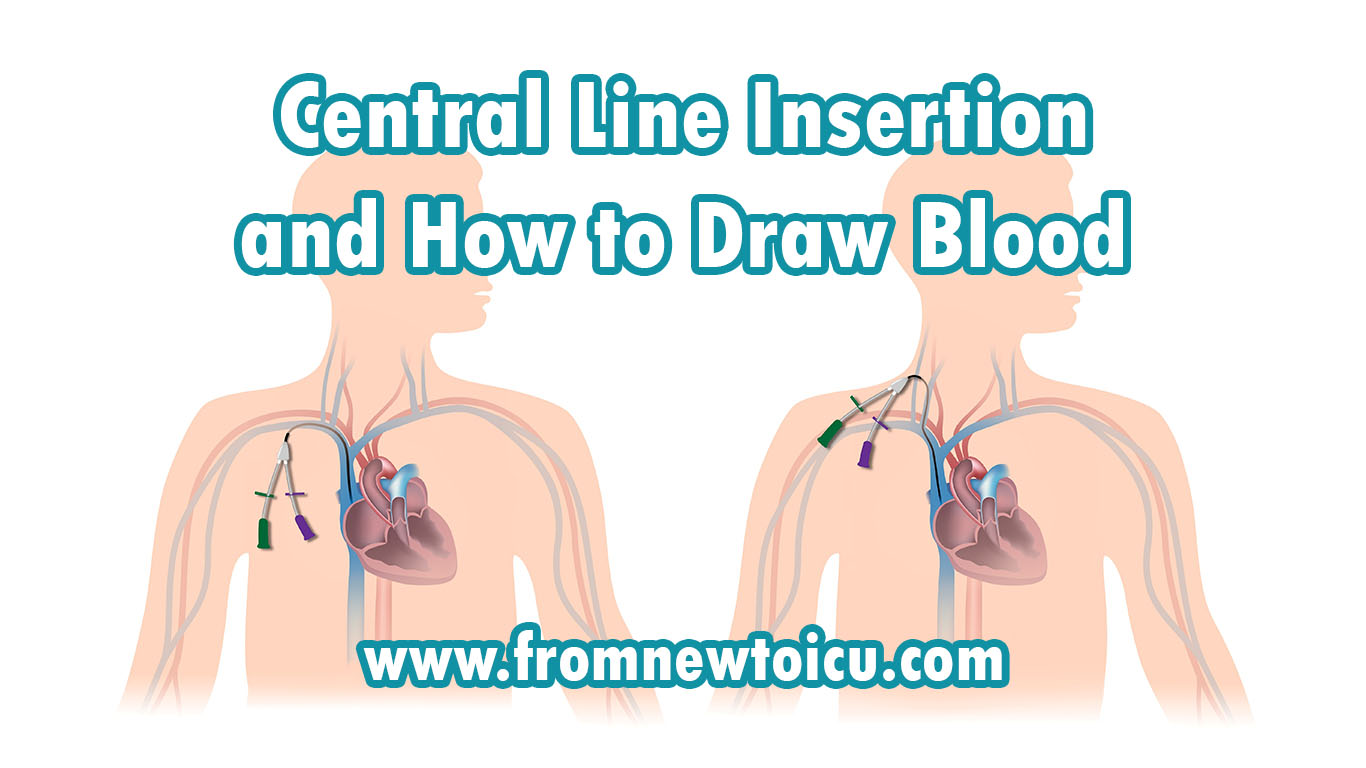
Central Line Insertion and How to Draw Blood — From New to ICU South

50+ IV Therapy Tips and Tricks The Ultimate Guide Nursing school
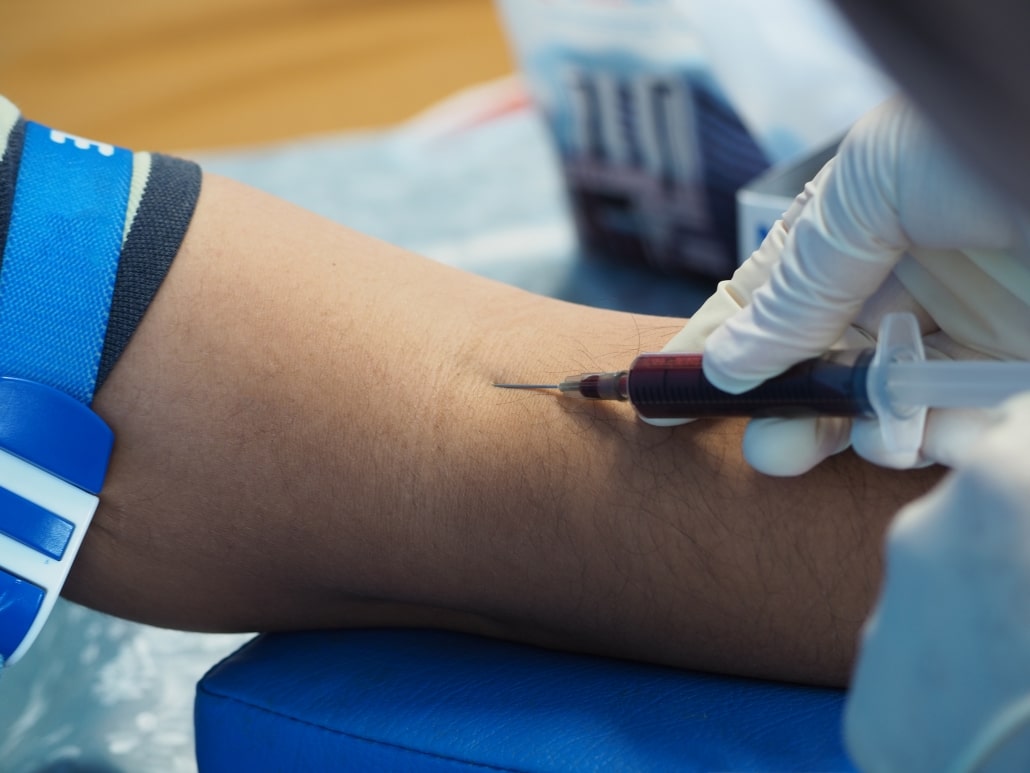
How to draw blood from a patient’s vein as painlessly as possible

Confused about blood drawing from a hand that has an IV line? General

Intravenous Cannulation (IV) — Medistudents

Intra Venous (IV) blood collection technique YouTube
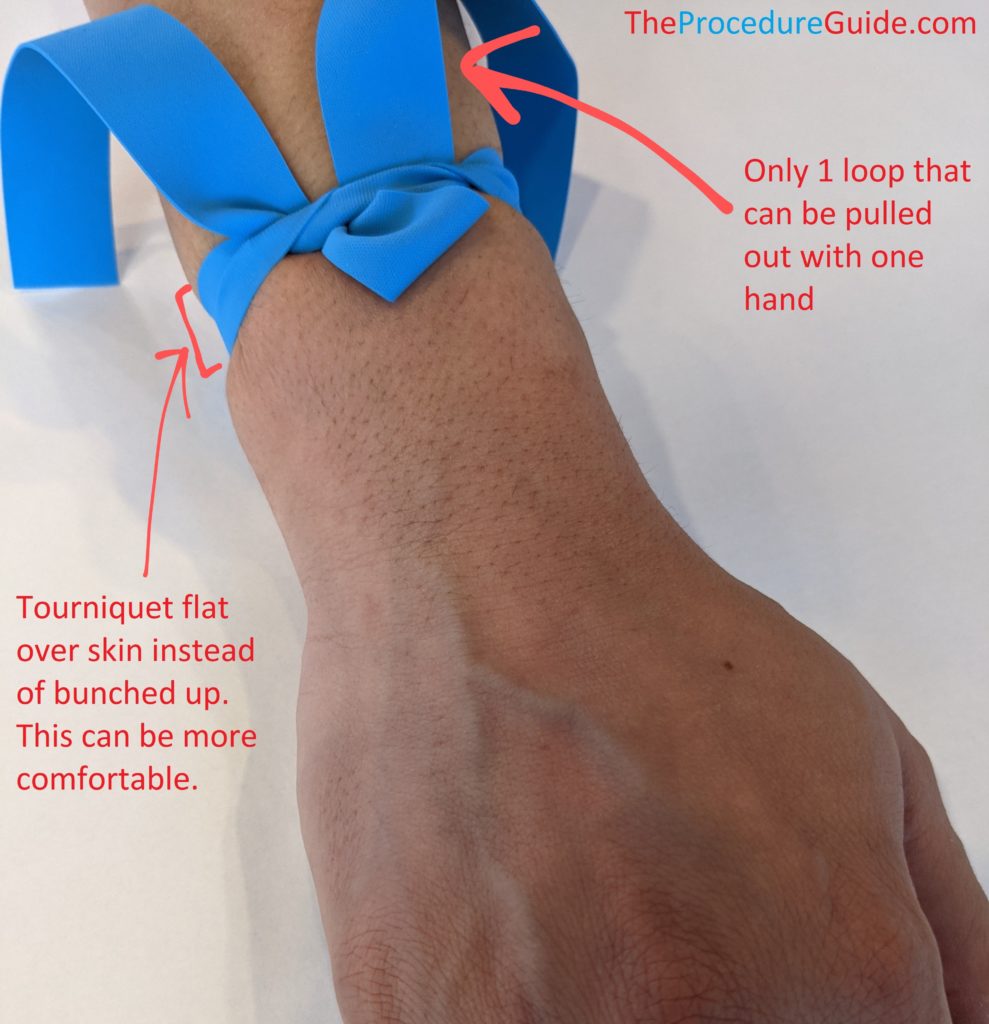
Blood Draw/Venipuncture Technique and Overview The Procedure Guide
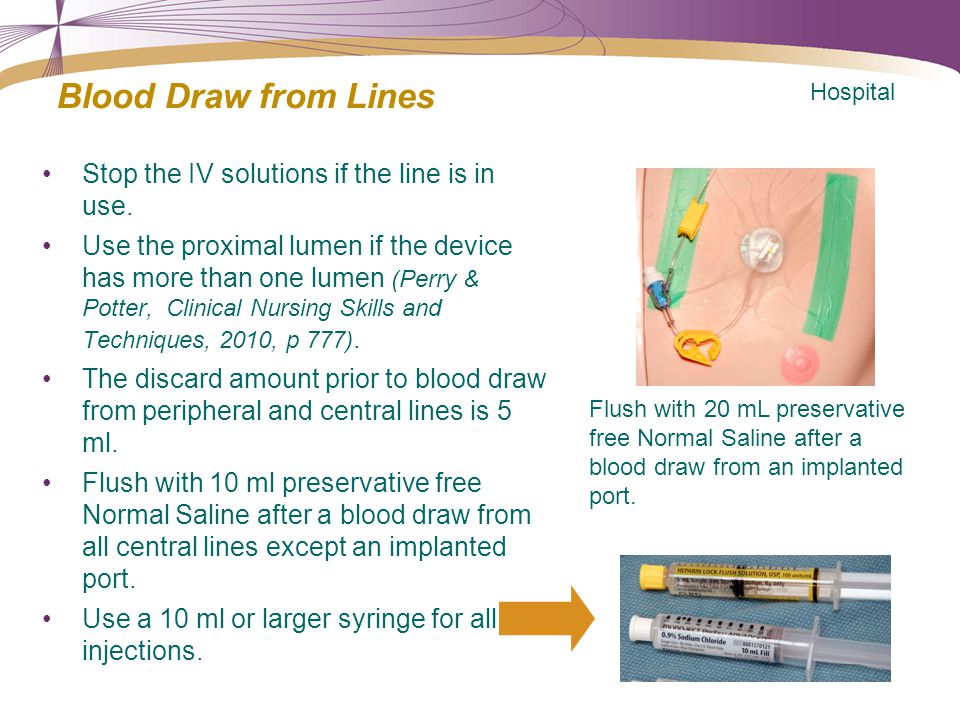
IV Catheter Care Peripheral and Central Policy Review ppt download
In General, This Is Not Common Practice Due To Concerns.
Usually, These Peripheral Short Term Iv Catheters Won't Yield A Blood Return.
Most Patients Are Very Familiar With The Best Spots To Get An Iv Or Draw.
Web To The Question Of Attaching A Syringe To Check For Blood Return, 99% Of The Time I Start An Iv, I Am Also Drawing Labs (I Work In The Er), So Yes, I Attach A 10Ml Syringe To My Extension Set, And Once The Catheter Is Placed, I Attach My Extension Set, Draw The Blood, Then Flush With 0.9% Nss.
Related Post: